Sucker Fish (Pleco) Price in India 2026 and Which One to Buy
The sucker fish sold in every Indian aquarium shop for ₹80 grows to 18 inches. Here is what each pleco type actually costs, how big it gets, and which one belongs in your tank.
Almost every first aquarium in India gets a sucker fish added to it, usually because the shop said it would keep the tank clean. That advice is half true and the size information is almost always missing. The common pleco sold at 2 inches for ₹100 reaches 40-45 cm and stops eating algae once it matures. Here is the honest version.
Sucker Fish Price List India 2026
| Type | Price (INR) | Adult size | Min tank | Eats algae? |
|---|---|---|---|---|
| Common pleco (Hypostomus) | ₹80-₹300 | 40-45 cm | 5-6 ft | Yes when young, mostly stops when adult |
| Sailfin pleco | ₹150-₹500 | 45-50 cm | 6 ft | Yes when young |
| Bristlenose pleco (Ancistrus) | ₹250-₹600 | 12-13 cm | 2.5 ft | Yes, throughout life |
| Albino bristlenose | ₹300-₹800 | 12 cm | 2.5 ft | Yes |
| Longfin bristlenose | ₹500-₹1,200 | 12 cm | 2.5 ft | Yes |
| Clown pleco | ₹400-₹900 | 9 cm | 2 ft | Eats wood and biofilm more than algae |
| Rubber lip pleco | ₹300-₹700 | 15 cm | 3 ft | Yes |
| Zebra pleco (L046) | ₹6,000-₹20,000 | 8 cm | 2.5 ft | No, carnivorous |
| Gold nugget pleco (L018) | ₹2,500-₹8,000 | 20 cm | 4 ft | Partly |
| Otocinclus (oto cat) | ₹80-₹200 | 4 cm | 1.5 ft | Yes, excellent on film algae |
| Siamese algae eater (not a pleco) | ₹100-₹250 | 15 cm | 3 ft | Yes, including black beard algae |
| Chinese algae eater | ₹60-₹200 | 25 cm | 4 ft | Stops eating algae and starts sucking on fish; avoid |
Sucker fish available now at Kolathur Fish Market
See all with live pricesThese are our current catalogue prices. The ranges in the guide are typical market prices across India.
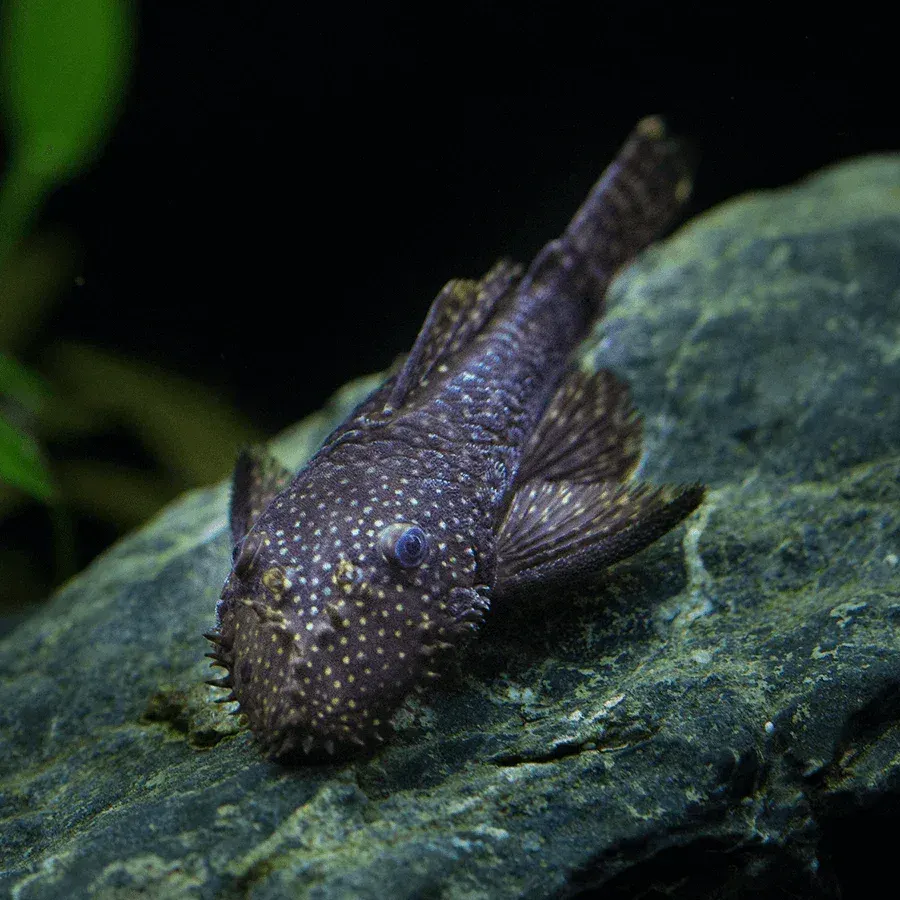
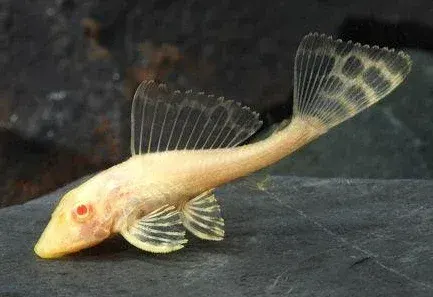
⚠️The two most commonly sold sucker fish in India, the common pleco and the Chinese algae eater, are the two least suitable for a home aquarium. Common plecos outgrow almost every home tank, and adult Chinese algae eaters latch onto the flanks of slow moving fish like goldfish and damage them. Bristlenose plecos and otocinclus do the same job and stay small.
Which Sucker Fish for Which Tank
| Your tank | Best choice | Why |
|---|---|---|
| 1-1.5 ft nano | Otocinclus (group of 4+) or nerite snails | Stays tiny, eats film algae, no waste load |
| 2-2.5 ft community | Bristlenose pleco (1) | Caps out at 12 cm, eats algae for life, peaceful |
| 3-4 ft planted | Bristlenose plus Siamese algae eater | Covers both soft algae and black beard algae |
| 4 ft cichlid tank | Bristlenose or rubber lip pleco | Tough enough to hold its own |
| 5-6 ft monster tank | Common or sailfin pleco | Finally an appropriate home for one |
| Shrimp tank | Otocinclus only | Will not harm shrimp or shrimplets |
Sucker Fish Care: What Nobody Tells You at the Shop
They need to be fed
A clean tank has no algae, which means a pleco in a well maintained aquarium is slowly starving. Feed algae wafers or sinking pellets after lights out, plus blanched vegetables two or three times a week: courgette, cucumber, deshelled peas, spinach, carrot. Weigh the slice down with a fork or a plant weight and remove any leftovers after 12 hours.
They need driftwood
Bristlenose, clown and many other plecos rasp wood and need the cellulose for digestion. A piece of aquarium safe driftwood is not decoration for these species, it is part of the diet.
They produce a lot of waste
A pleco is not a cleaner. It converts algae and wafers into a substantial amount of waste, so adding one increases your filtration and water change requirements rather than reducing them. Overfilter and vacuum the substrate weekly.
They are nocturnal and shy
Provide a cave, a length of PVC pipe, or a hollow ornament. A pleco with nowhere to hide is a stressed pleco. You will mostly see them at night or when food goes in.
Common Sucker Fish Problems
| Problem | Cause | Fix |
|---|---|---|
| Sunken belly, thin body | Starvation in a clean tank | Feed algae wafers nightly and vegetables 3x a week |
| Latching onto other fish | Chinese algae eater maturing, or a starving pleco | Rehome the Chinese algae eater; feed the pleco properly |
| Outgrew the tank | Bought a common pleco | Rehome to a pond or a larger tank; do not release into local waters |
| Sitting at the surface gasping | Low oxygen, common in summer | Add aeration immediately; plecos need well oxygenated water |
| White or grey patches on body | Fungal or bacterial infection, often after injury | Improve water quality and treat with an antibacterial |
⚠️Never release an outgrown pleco into a lake, river, temple tank or storm drain. Plecos have already established invasive populations in parts of India and displace native species. Rehome through an aquarium group, a local shop, or a pond keeper instead.