Live stock · Current prices · India delivery support
🎏 Buy Koi Fish Online in India
Koi are long-lived pond fish prized for their colour patterns, and demand in India has grown quickly with garden and terrace ponds. They need volume, aeration and strong biological filtration rather than a small aquarium. Browse currently available kohaku, butterfly and standard koi by size and price.
Koi Fish price today₹12 to ₹1,000across 15 listings in stock
Koi Fish available now
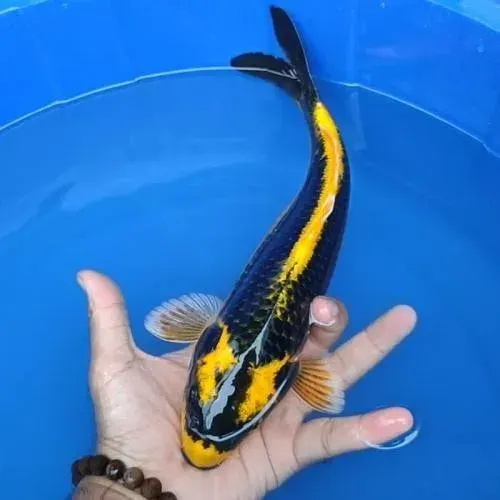
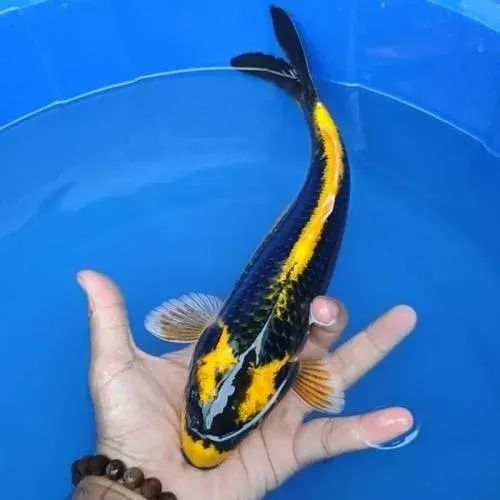
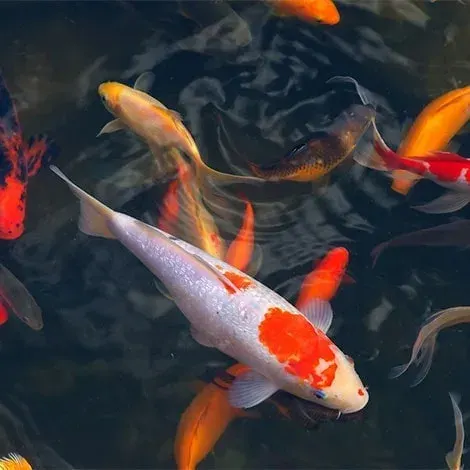
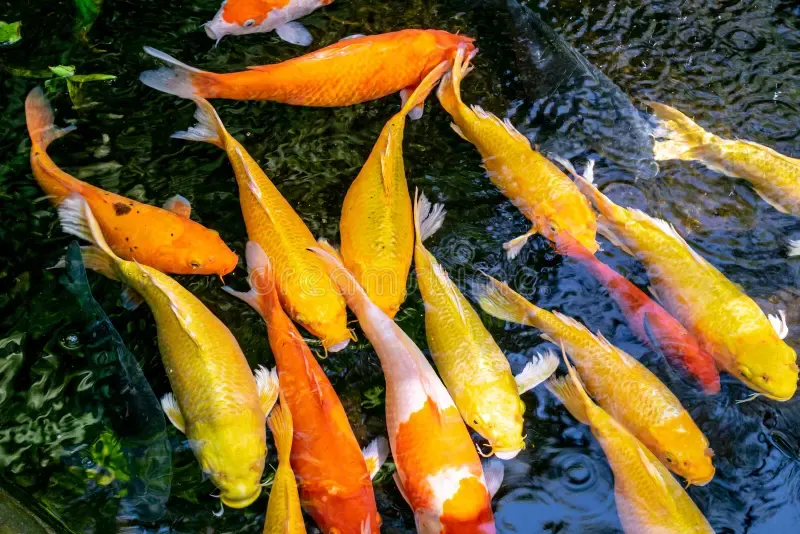
Koi Fish at a glance
- Pond size
- 1,000+ litres for a small group
- Temperature
- 15–28°C
- Filtration
- Heavy biological filtration
- Difficulty
- Intermediate
- Adult size
- 45 to 90 cm in a good pond
- Lifespan
- 20 to 40 years
- Diet
- Omnivore: floating pellets, vegetables
- Temperament
- Peaceful and social
- Water
- Neutral to slightly alkaline, well oxygenated
Order live fish responsibly
Check tank size, compatibility and delivery conditions before buying. Availability and safe dispatch depend on your pincode and weather.
Ask an aquarium expertTypes of koi fish
Kohaku
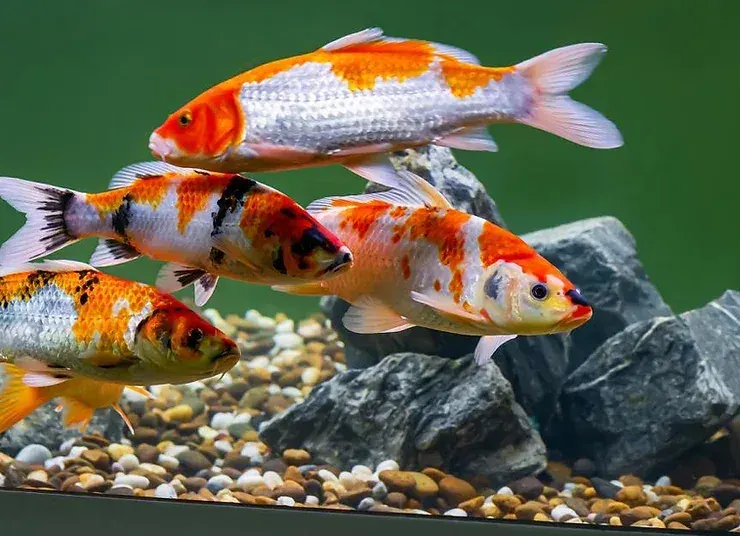
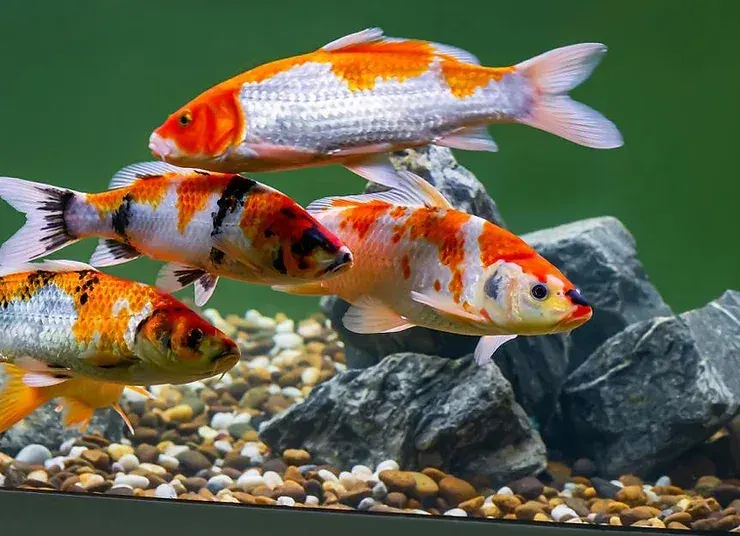
White body with red markings. The benchmark variety, judged on the crispness of the edges between colours.
Sanke
White body with red and black markings. Black should sit above the waterline of the body rather than on the head.
Showa
Black body with red and white. Reads as a darker fish overall compared with sanke.
Butterfly koi
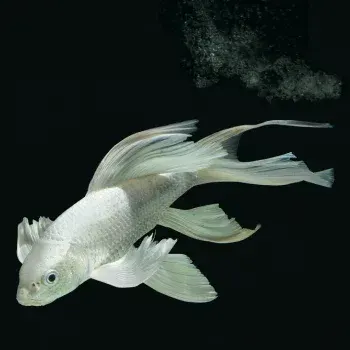
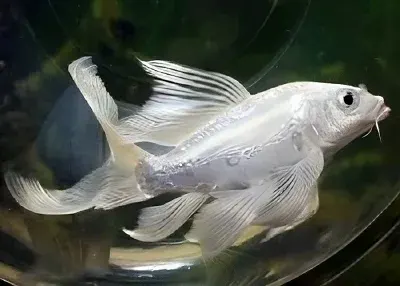
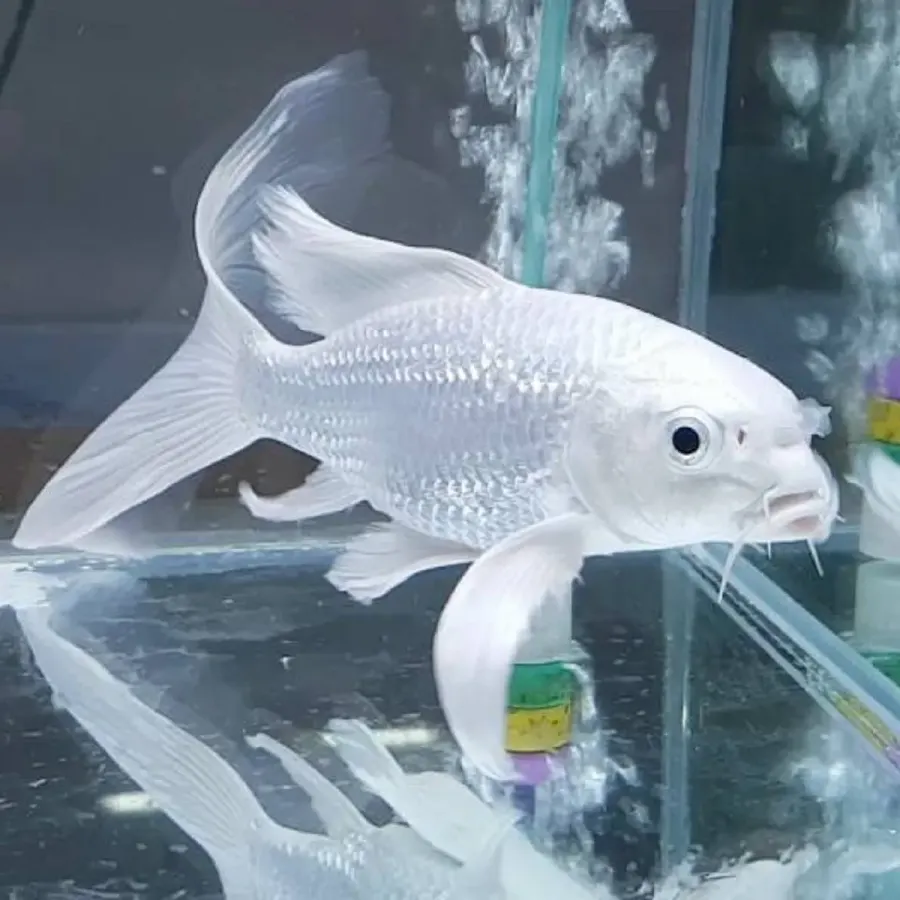
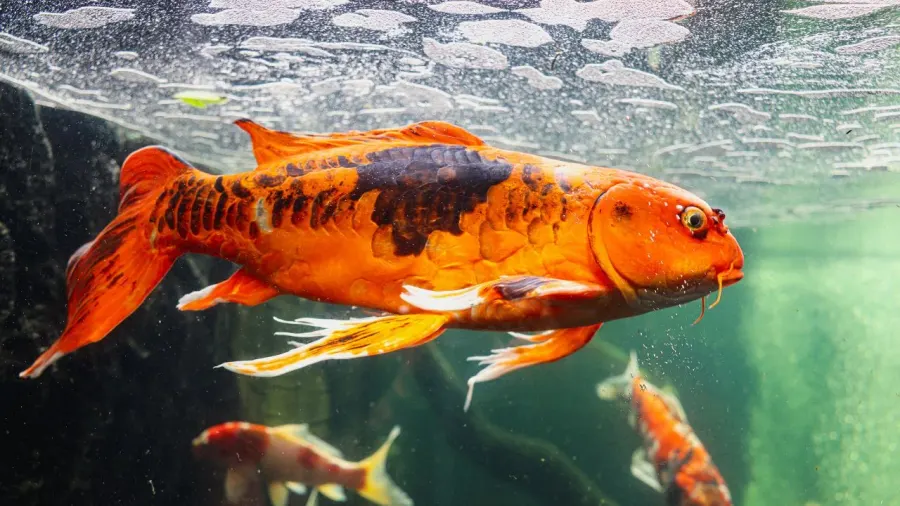
Long flowing fins. Popular in Indian ponds because the trailing fins stay visible from above.
Ogon
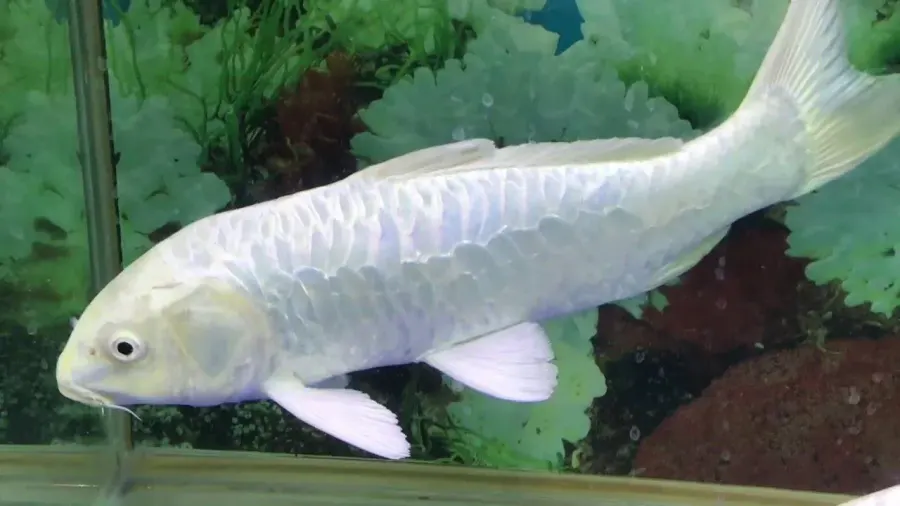
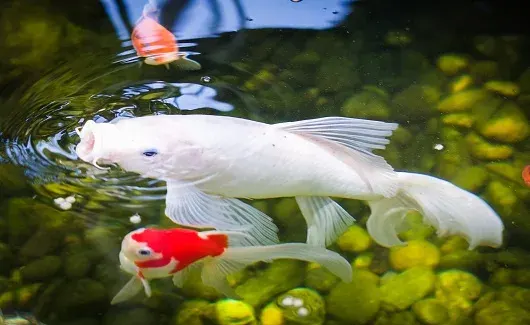
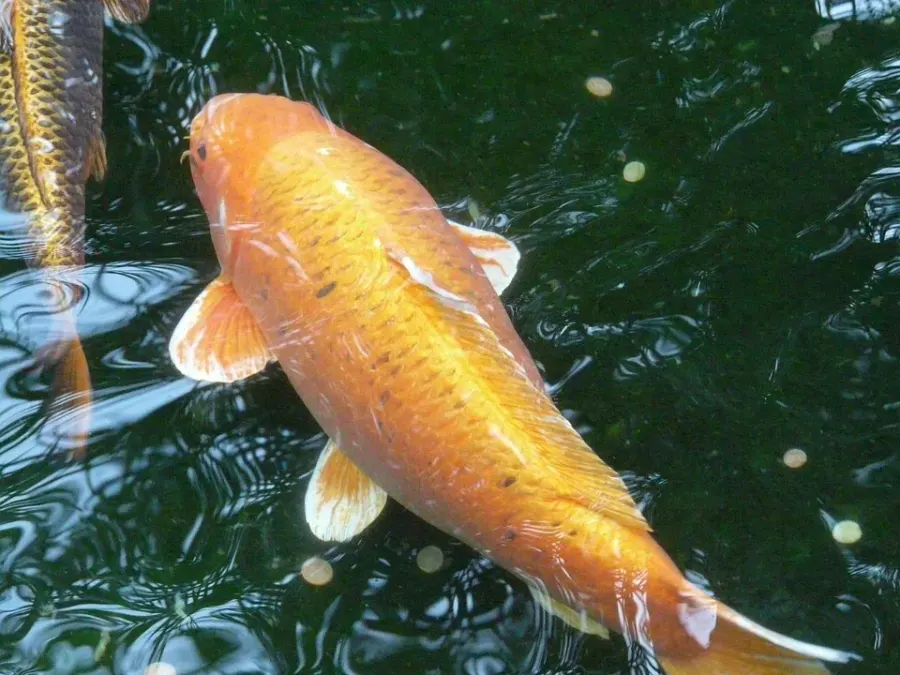
Single metallic colour, usually gold or platinum. Very visible in a planted or green pond.
Shusui
Scaleless apart from a line along the back, usually blue grey with red along the sides.
Pond volume and filtration
Koi are pond fish that are sold as aquarium fish. A juvenile can spend its early life in a large tank, but an adult koi reaches a size where an aquarium cannot provide the swimming room or the water volume to dilute its waste.
A small group needs a pond in the region of a thousand litres as a starting point, and more is genuinely better. Depth helps too, because it buffers temperature swings through the day.
Biological filtration is the heart of a koi pond. Koi are heavy feeders and heavy waste producers, so the filter is sized for the food going in rather than for the water volume alone.
Heat, oxygen and the Indian climate
The main seasonal risk in most of India is heat rather than cold. Warm water holds less oxygen at exactly the time the fish are most active and feeding hardest.
Aeration and moving water matter more in summer than at any other time. A waterfall, a venturi return or an air pump all help, and shade over part of the pond reduces the peak temperature and slows algae.
Feed less when the water is very warm and the fish appear sluggish. Digestion consumes oxygen, and a heavy meal during a hot spell adds load precisely when there is least margin.
Feeding through the year
A quality floating pellet is the staple, and floating food has the practical benefit of bringing the fish to the surface where you can inspect them daily.
Feed small amounts that are cleared within a few minutes. Uneaten pellets break down and feed algae rather than fish.
Cut feeding sharply when the water cools in northern winters, because koi digest slowly at low temperatures and undigested food causes problems. In warmer parts of India the fish stay active year round and feeding continues, moderated during peak heat.
Choosing koi and quarantine
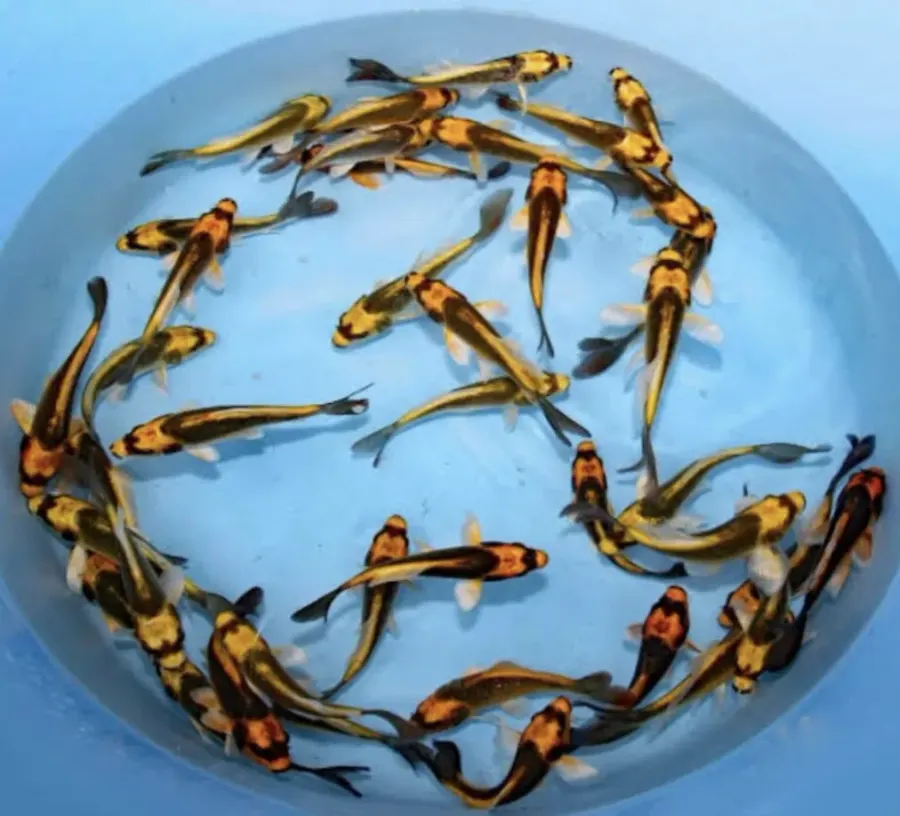
Judge the body before the pattern. A koi with a strong, even body shape and a confident swimming action will grow into a better fish than one bought purely for markings.
Look for clean skin without red streaks or ulcers, fins held open, and steady rather than laboured gill movement.
Quarantine new koi away from the main pond for a few weeks. Introducing an unquarantined fish is the usual way a disease reaches an established pond, and koi are a long term investment worth protecting.
Guides worth reading first
Browse all fish care guides →Frequently asked questions
What is the koi fish price in India?
Price rises with size, body shape and pattern quality; imported bloodlines cost more than farm-bred koi. Current KFM prices are listed on this page.
Can koi be kept in an aquarium?
Juveniles can start in a large aquarium, but adult koi reach 40 cm or more and need a pond or very large holding system.
What do koi fish eat?
A quality floating pellet is the staple, fed in small amounts. Reduce feeding sharply when water temperature drops.
How long do koi live?
Twenty to forty years is normal in a well maintained pond, and some live considerably longer. Koi are a long term commitment rather than a seasonal purchase.
Can koi be kept in an aquarium permanently?
No. A juvenile can live in a large aquarium for a while, but an adult needs pond volume and swimming length. Plan the pond before buying rather than after.
How many koi can I keep in my pond?
Fewer than you expect. Stocking is limited by filtration and oxygen rather than by surface area, and a lightly stocked pond grows better fish than a crowded one.
Why are my koi gasping at the surface?
Usually low oxygen, most often during hot weather or after heavy feeding. Increase aeration immediately, then test the water for ammonia and nitrite.