Live stock · Current prices · India delivery support
🐟 Buy Molly Fish Online in India
Mollies are active, peaceful livebearers that suit many Indian community aquariums. They prefer stable, moderately hard water and should be kept in groups with suitable filtration. Browse current colours and sizes, with live pricing and stock availability.
Molly Fish price today₹8 to ₹30across 9 listings in stock
Molly Fish available now
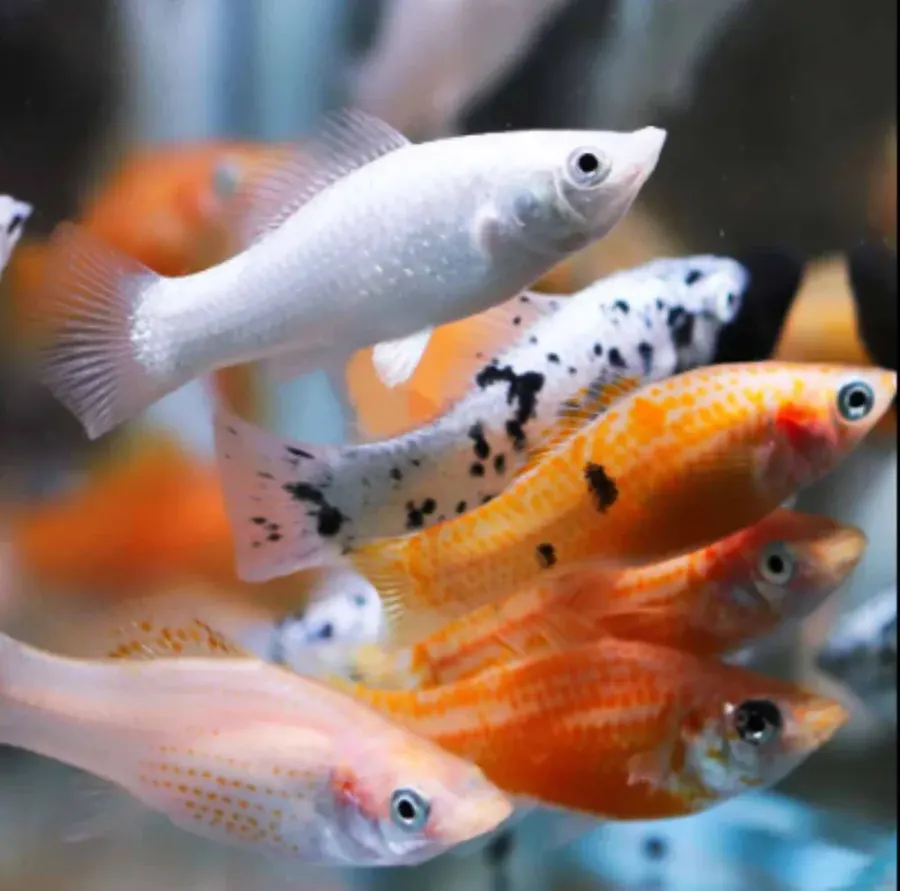
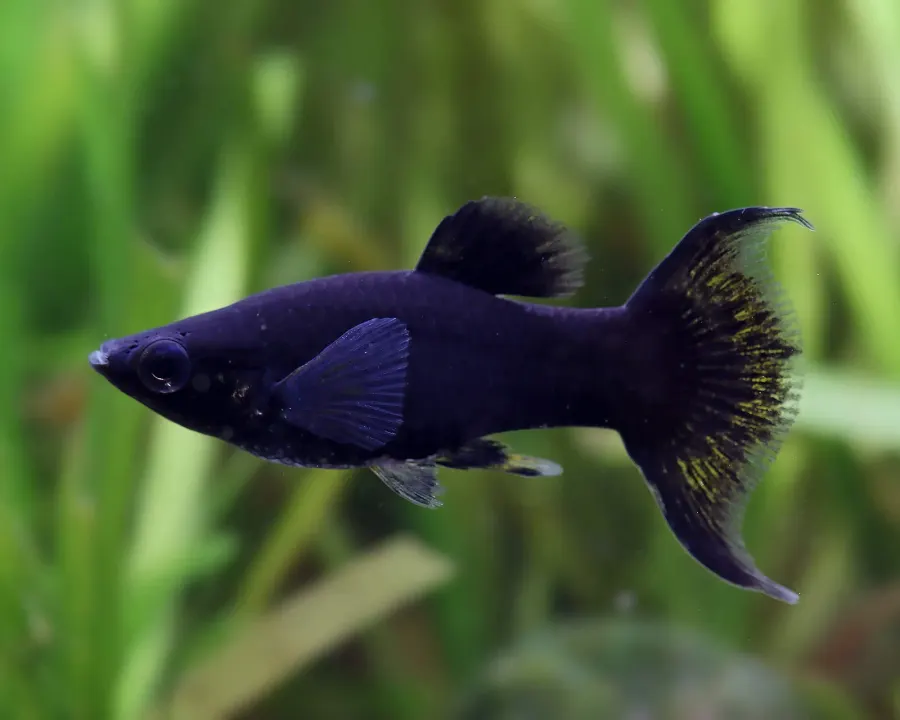
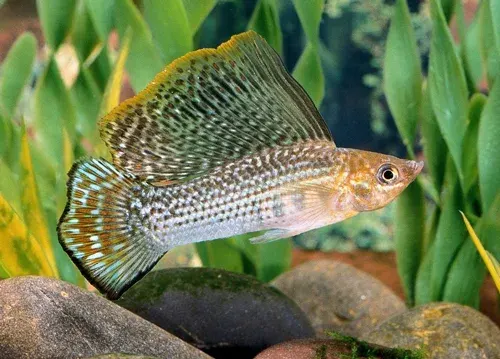
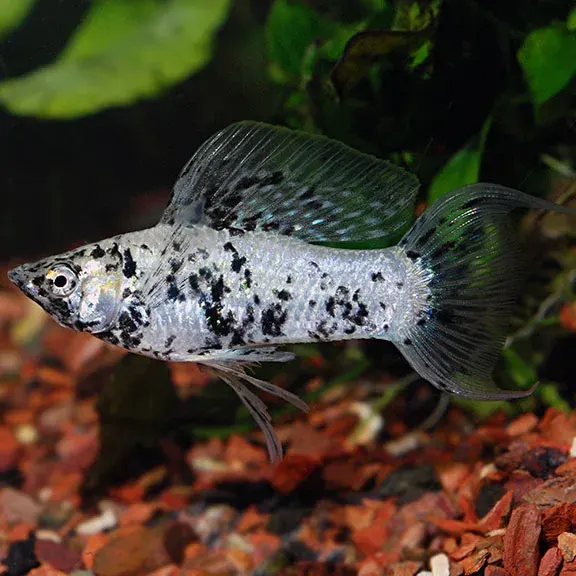
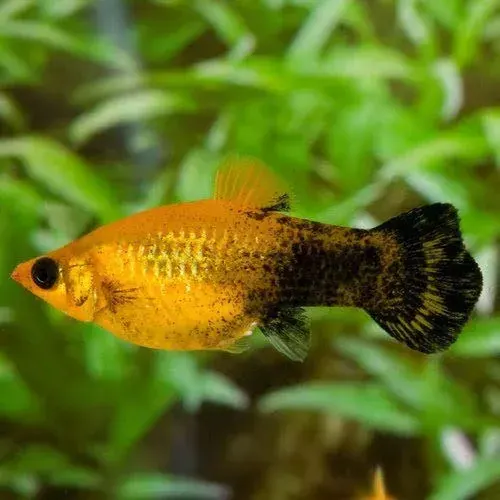
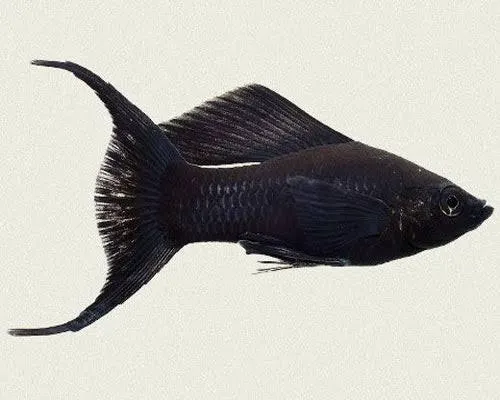
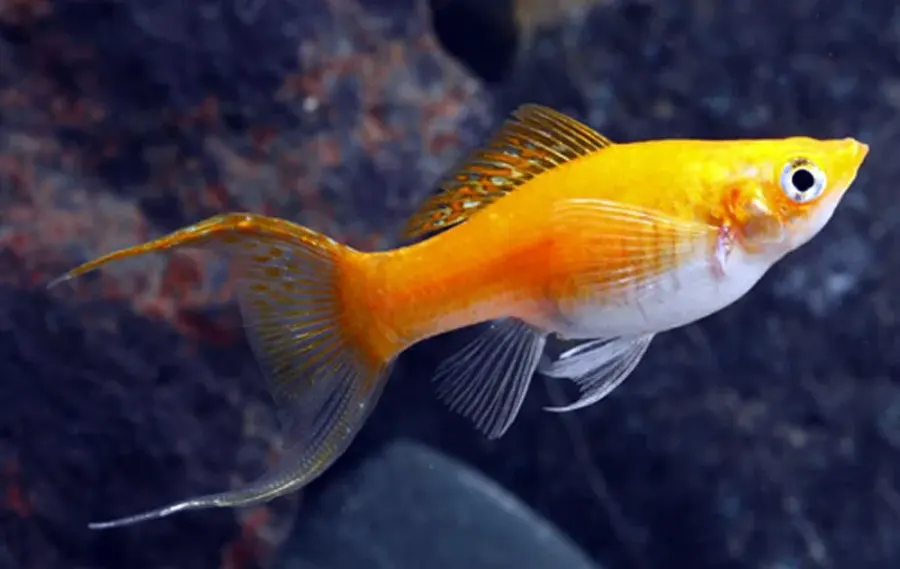
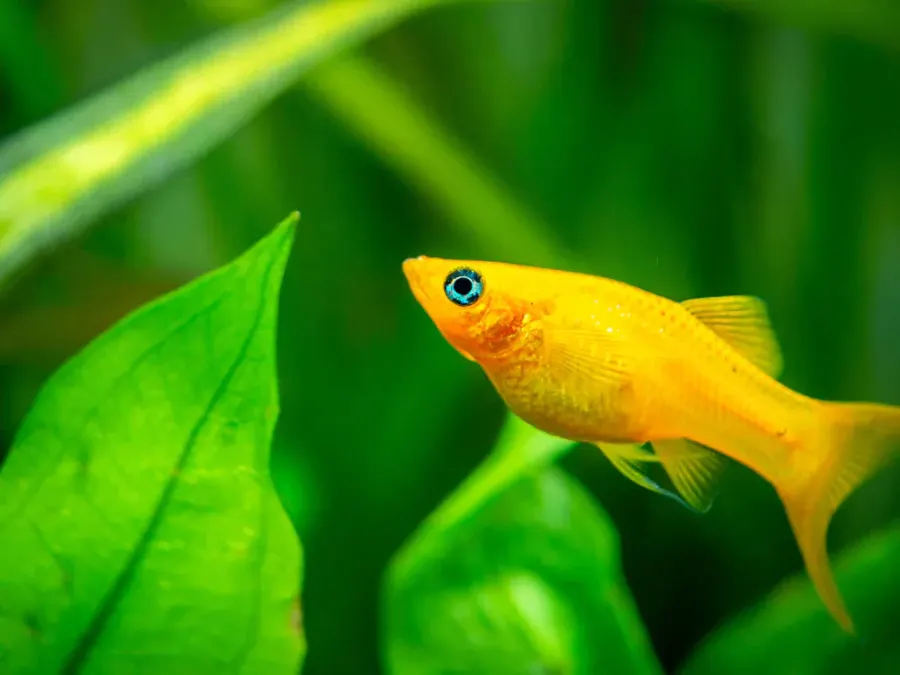
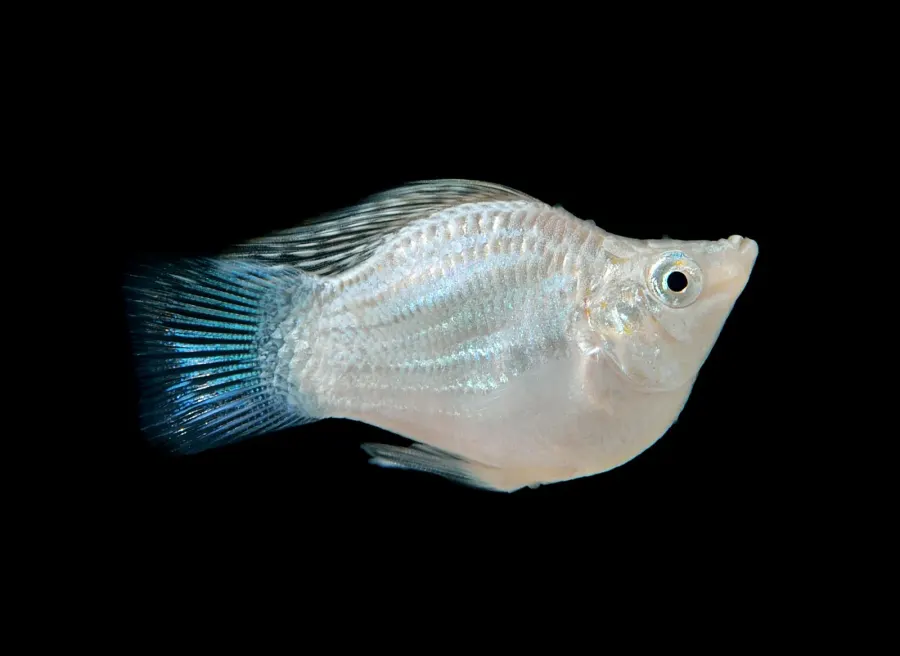
Molly Fish at a glance
- Minimum tank
- 40 litres
- Temperature
- 24–28°C
- Water
- Moderately hard, alkaline
- Difficulty
- Beginner friendly
- Adult size
- 8 to 12 cm, sailfins larger
- Lifespan
- 3 to 5 years
- Diet
- Omnivore, needs vegetable matter and algae
- Temperament
- Peaceful, occasionally pushy
Order live fish responsibly
Check tank size, compatibility and delivery conditions before buying. Availability and safe dispatch depend on your pincode and weather.
Ask an aquarium expertTypes of molly fish
Black molly
Solid velvet black. The most recognised molly and widely bred across India.
Dalmatian molly
White or silver with black speckling, and no two are marked alike.
Balloon molly
Selectively bred for a rounded body. The shape compresses the organs, so these are more prone to digestive trouble.
Sailfin molly
Tall dorsal fin on males, and a noticeably larger fish that needs more swimming room.
Lyretail molly
Extended tail points on both lobes. Fins need clean water to stay intact.
Mollies need harder water than most community fish
Mollies come from mineral rich water and are among the few popular aquarium fish that genuinely prefer hard, alkaline conditions. In most Indian cities that is what the tap already provides, which is why they do so well here.
The problems appear in soft water areas, where mollies become prone to shimmying, a distinctive rocking in place without moving forward. That is a water chemistry signal rather than a parasite.
They are also more sensitive to unstable water than guppies or platies. A molly is often the first fish in a community tank to show that something has changed.
Diet and the algae habit
Mollies graze constantly and need real vegetable matter, not just protein flake. A diet that is all protein leads to digestive problems and a bloated look.
Feed a quality flake or pellet with vegetable content, and supplement with blanched spinach, courgette or an algae wafer. Mollies will also graze soft algae off glass and decor, which is a useful habit.
Balloon bodied mollies are the most prone to bloating. Feed them smaller amounts more often and keep vegetable matter in the rotation.
Tank size and group structure
Mollies grow larger than most beginners expect, and sailfins larger still. Forty litres is a realistic minimum for a small group of standard mollies, and more for sailfins.
Keep more females than males. Male mollies pursue females persistently and a poor ratio leaves one female exhausted.
They are livebearers, so expect fry regularly. A well planted tank gives fry somewhere to hide, and it keeps the population growing at a manageable pace.
Do mollies need salt in the tank?
This question comes up constantly because mollies tolerate brackish water in the wild. In a properly maintained freshwater aquarium they do not need added salt.
What they actually need is hardness and mineral content, which people often supply accidentally by adding salt. Crushed coral or a mineral supplement addresses the real requirement without the side effects.
Adding salt to a community tank is a problem for tank mates such as corydoras and many plants, so treat it as a targeted treatment rather than a routine.
Guides worth reading first
Molly Fish Price in India 2026 - Black, Balloon, Sailfin & More
Molly fish prices in India for black, balloon, dalmatian, lyretail, and sailfin varieties, with care costs and breeding basics for beginners.
Beginners GuideBest Aquarium Fish for Beginners in India (2026)
Starting your first aquarium? Here are the 10 best fish for beginners in India - hardy, affordable, and beautiful.
Price GuideDiscus Fish Price in India 2026 - Varieties, Care & Buying Guide
Discus fish - the kings of the aquarium. A complete price guide and care overview for all discus varieties available in India.
Care GuideAquarium Fish Compatibility Chart for Indian Homes
Choose peaceful tank mates by temperament, adult size, temperature and water needs-not appearance alone.
Frequently asked questions
Are molly fish good for a community tank?
Yes. Mollies generally live peacefully with guppies, platies, swordtails and other fish with similar water requirements.
Do molly fish need salt?
They do not require salt in a properly maintained freshwater aquarium. Stable mineral-rich water is more important.
How many mollies should I keep?
Keep a small group, ideally with two or three females for each male.
Why is my molly shaking or shimmying in place?
Shimmying is usually a reaction to water that is too soft, too cold or unstable rather than a disease. Check hardness and temperature first, and look for a recent water change that did not match conditions.
Can mollies live with guppies?
Yes. They share a preference for hard, alkaline water and similar temperatures, which makes them a natural pairing. Give the tank enough room, since mollies grow larger.
How many mollies should be kept together?
A group of at least four, weighted towards females. Two or three females for each male prevents any one female being harassed.
Do molly fish eat their babies?
Yes, adults eat fry given the chance. Dense planting or a separate rearing tank is the only reliable way to raise a good number.